
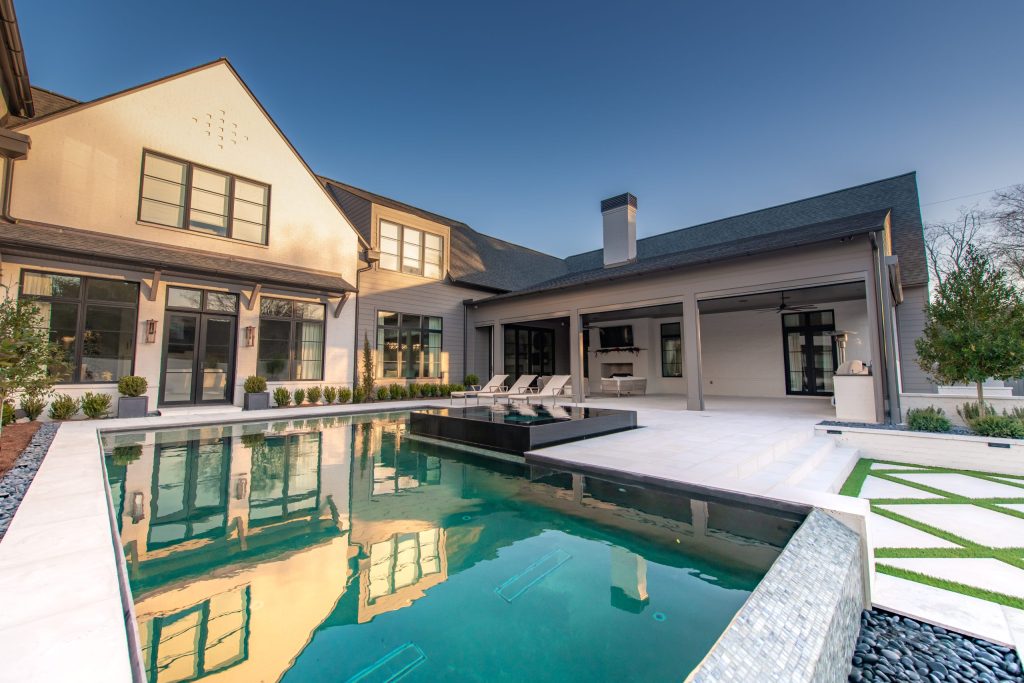
If you’ve ever searched “how to winterize a pool” and found a 10-step checklist involving antifreeze, pipe blowouts, and winter covers — don’t panic. Most of that advice wasn’t written for Louisiana. Winterizing a pool in Baton Rouge looks very different from winterizing one in Minnesota, and for most homeowners here, a full winterization isn’t necessary at all.
Here’s what you actually need to know about pool care during the cooler months in Baton Rouge.
What “Winterizing” Actually Means
Traditional pool winterization is designed for climates where temperatures regularly drop below freezing. The process involves:
- Lowering the water level
- Blowing out and plugging the plumbing lines
- Adding antifreeze to the pipes
- Removing and storing equipment
- Covering the pool for months at a time
The goal is to protect the pool’s plumbing and equipment from freezing and cracking during a long, cold winter. In most of the northern U.S., this is a necessity. In Baton Rouge, it almost never is.
Baton Rouge’s Climate Changes the Equation
Baton Rouge averages only a handful of nights per year where temperatures dip near or below freezing — and even then, those freezes are typically brief and shallow. The ground doesn’t freeze, pipes don’t freeze solid, and the kind of sustained cold that destroys pool equipment up north simply doesn’t happen here with any regularity.
More importantly, many Baton Rouge pool owners use their pools well into November and pick back up in March. Closing your pool completely for winter means months of unused water sitting stagnant — which creates its own problems.
The bottom line: full winterization is rarely the right move for Baton Rouge pools.
Pool Winterization in Baton Rouge: Why Year-Round Maintenance Works Better
Rather than closing your pool for winter, most Baton Rouge homeowners are better served by shifting to a reduced maintenance schedule during the cooler months. Here’s what that looks like:
Reduce your pump run time. During summer, running your pump 8–12 hours a day is standard. In cooler months when the pool isn’t being used as frequently, you can scale back to 4–6 hours per day and still maintain adequate circulation.
Test your water less frequently — but don’t stop. In summer, testing every 2–3 days is smart. In winter, once a week is usually sufficient. Your chemical consumption will drop significantly as temperatures cool and UV intensity decreases.
Keep your chlorine and pH in range. Even an unused pool needs to stay balanced. Neglecting chemistry over winter is one of the most common reasons Baton Rouge homeowners open their pool in spring to find algae or staining.
Check your equipment periodically. Winter storms and cold snaps — even mild ones — can affect your equipment. A quick visual check of your pump, filter, and heater after any significant cold front is good practice.
What About That Rare Hard Freeze?
Baton Rouge does occasionally get a hard freeze — we all remember what those look like. When temperatures are forecast to drop below 32°F for an extended period, there are a few simple precautions worth taking:
- Keep your pump running continuously. Moving water is much harder to freeze than still water. Don’t turn your pump off during a freeze warning.
- Insulate exposed pipes and equipment. Pipe insulation foam from a hardware store is cheap and effective for protecting above-ground plumbing.
- Run your pool heater if you have one. Keeping the water temperature above freezing protects the entire system.
- Remove any floats or accessories that could crack in the cold.
These steps are simple, inexpensive, and will protect your pool through virtually any freeze Baton Rouge is likely to throw at you — no full winterization required.
Saltwater Pools in Baton Rouge: Off-Season Considerations
If you have a saltwater pool, there are a couple of additional things to keep in mind during the cooler months.
Salt chlorine generators have a minimum operating temperature. Most units shut off automatically when water temperatures drop below 50–60°F, depending on the model. If your pool water gets that cold, your salt cell won’t be producing chlorine — so you’ll need to supplement with traditional chlorine to keep the water sanitized.
Check your salt levels before spring. Salt levels don’t evaporate the way chlorine does, but they can be diluted by heavy rainfall over winter. Test your salt concentration in late February or early March so you’re ready for swim season.
Skipping Pool Winterization: How to Prep Your Baton Rouge Pool for Spring
Because most Baton Rouge pools stay running through winter at a reduced level, spring “opening” is less of an event and more of a ramp-up. About 2–3 weeks before you plan to start swimming regularly:
- Increase your pump run time back to 8–10 hours per day
- Do a full water test and rebalance your chemistry
- Shock the pool to refresh your sanitizer levels
- Clean your filter thoroughly
- Inspect all equipment and look for any wear from winter
A professional water test at this stage is worthwhile — it gives you a complete picture of your water chemistry, including calcium hardness and total dissolved solids, which can drift over the winter months.
When Does a Baton Rouge Pool Actually Need to Be Closed?
There are situations where temporarily closing or significantly reducing your pool’s operation makes sense:
- Extended travel — if you’re leaving for several weeks and won’t have anyone to maintain the pool
- Major repairs or renovations — resurfacing, replastering, or equipment replacement
- Storm damage — after a major hurricane or flood event
In these cases, the goal isn’t winterization — it’s minimizing chemical use and keeping the water stable until you’re ready to return to normal operation.
Keep Your Pool in Shape Year-Round with Pinnacle
Pinnacle Exterior Construction’s pool maintenance team serves homeowners throughout the Baton Rouge area — including off-season care, freeze prep, spring startups, and everything in between. If you’d rather hand off the chemistry and maintenance entirely, we offer scheduled service plans designed around Louisiana’s climate.
Learn more about our Baton Rouge pool maintenance service →
Questions about your pool heading into the cooler months? Contact our team — we’re happy to help.